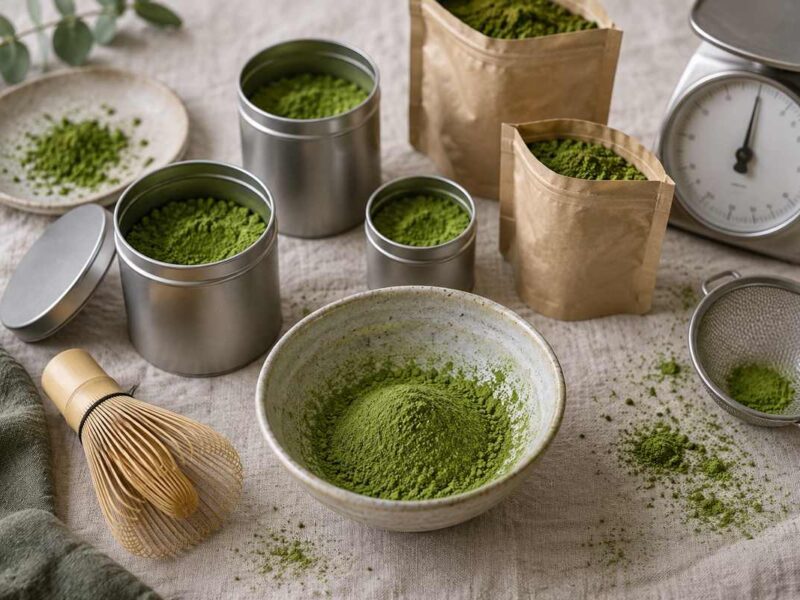

Matcha has gone from specialist tea to café default, and with that came a wall of tins using the same three or four words with no shared definition. Here is what those words are supposed to mean, using More Than Matcha‘s ceremonial matcha powder as a reference point: 100% organic, ceremonial grade, first harvest, shade grown and freshly ground in Kagoshima, Japan, at $45 for a tin ($1.13 per gram, or $36 on subscription).
The four terms that matter
- First harvest (ichibancha). The spring picking, from the youngest leaves. Sweeter, smoother, less astringent. Later harvests are cheaper and noticeably harsher.
- Shade grown. Plants are covered for weeks before picking, which raises chlorophyll and L-theanine and drops bitterness. It is the reason good matcha is vivid green rather than olive.
- Ceremonial grade. Not a regulated term, but in practice it means matcha intended to be drunk with water alone. Culinary grade is built to survive milk and sugar.
- Origin. Uji is the famous region; Kagoshima in the south is the other serious one, with an earlier harvest and, increasingly, the better organic farming.
Why L-theanine changes the caffeine
A bowl of matcha carries roughly 60–70 mg of caffeine, similar to a small coffee, but people consistently describe the effect differently. The reason is L-theanine, an amino acid concentrated by shade growing, which moderates the caffeine curve — less spike, less crash. Shade growing is therefore not an aesthetic choice; it is what produces the experience people are actually buying matcha for.
How to make it properly
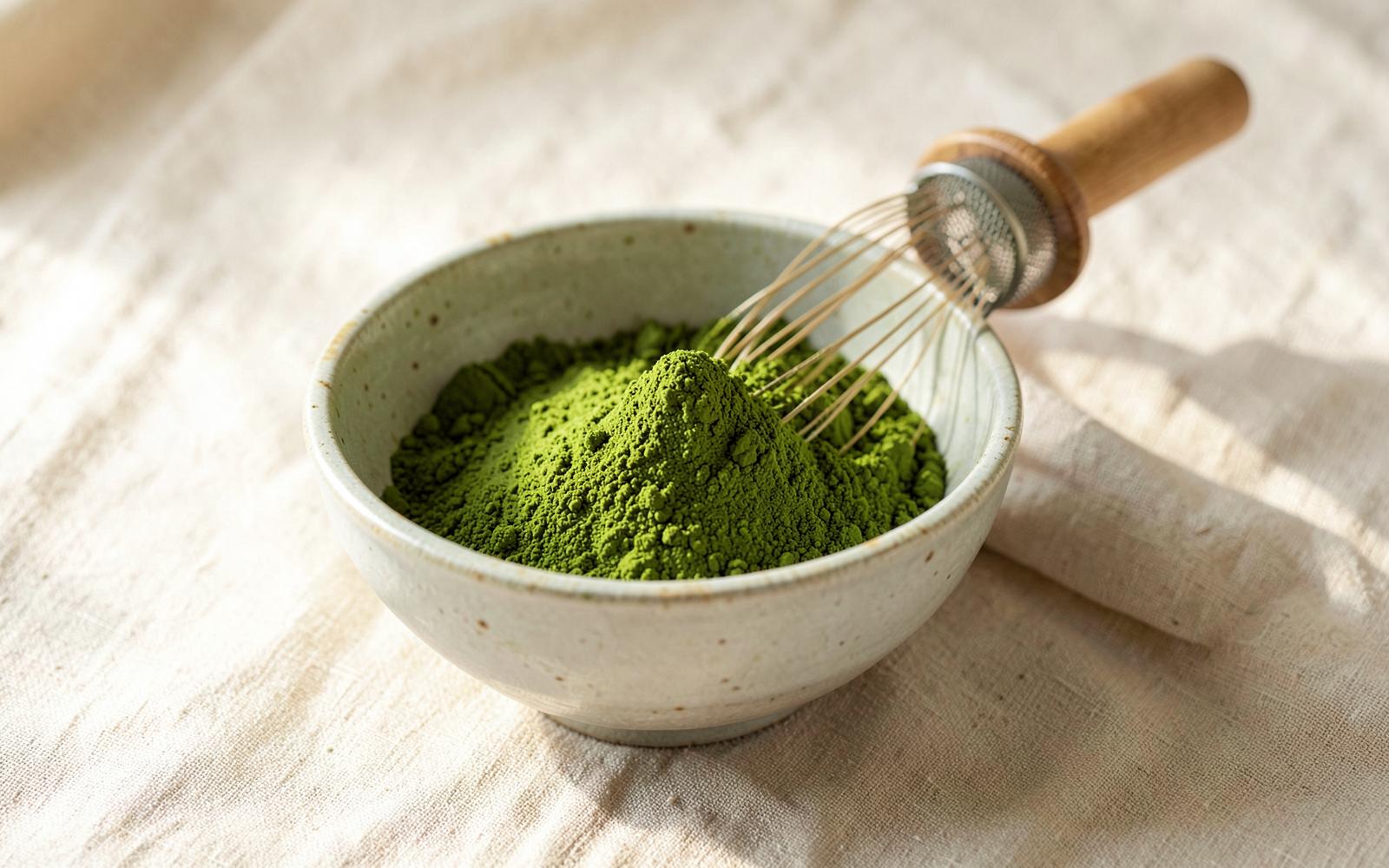
Three things separate a good bowl from a bitter one. Sift the powder — matcha clumps, and clumps whisk into bitterness. Use water at about 175°F / 80°C, never boiling; boiling water scorches the leaf. Whisk in a W or M motion with a bamboo chasen rather than stirring in circles, for about 15 seconds, until a fine foam forms across the surface. Two grams of powder to roughly 60 ml of water for usucha, more water for a lighter bowl.
Storage, which is where most matcha dies
Matcha oxidizes fast. Keep the tin sealed, cold, dark, and away from strong smells, and use it within a couple of months of opening. If your matcha has turned yellow-brown or smells like hay, it is not that you dislike matcha — it is that the tin is old. Freshly ground powder from a recent harvest tastes like a different product entirely, which is most of the argument for buying from someone who tells you the harvest and the origin.
Editor’s note: this article is part of our brand discovery coverage. We highlight independent brands we think are worth knowing about. Prices and availability were accurate at the time of writing.