
A rooftop tent gets you off the ground and into a real bed in about a minute, anywhere you can park. That is the pitch, and when the setup is right it is entirely true. When the setup is wrong — wrong tent for the rig, wrong rack, wrong shell type for how you travel — it is an expensive roof ornament.
Overland Junction is an authorized dealer for the main names in the category, and its rooftop tent collection covers hard shell, soft shell, and hybrid models from iKamper, Roofnest, Freespirit Recreation, Roam, Overland Vehicle Systems, Tuff Stuff, and Eezi-Awn. Here is how to narrow it down before you spend.
Three shell types, three trade-offs
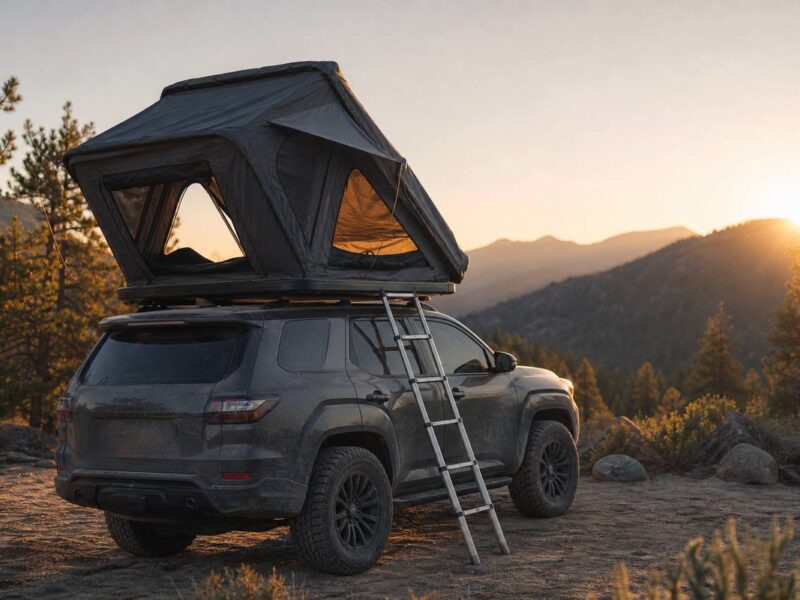
- Hard shell. Opens in under a minute, better aerodynamics, better weather sealing, lower profile when closed. Costs more and usually sleeps two.
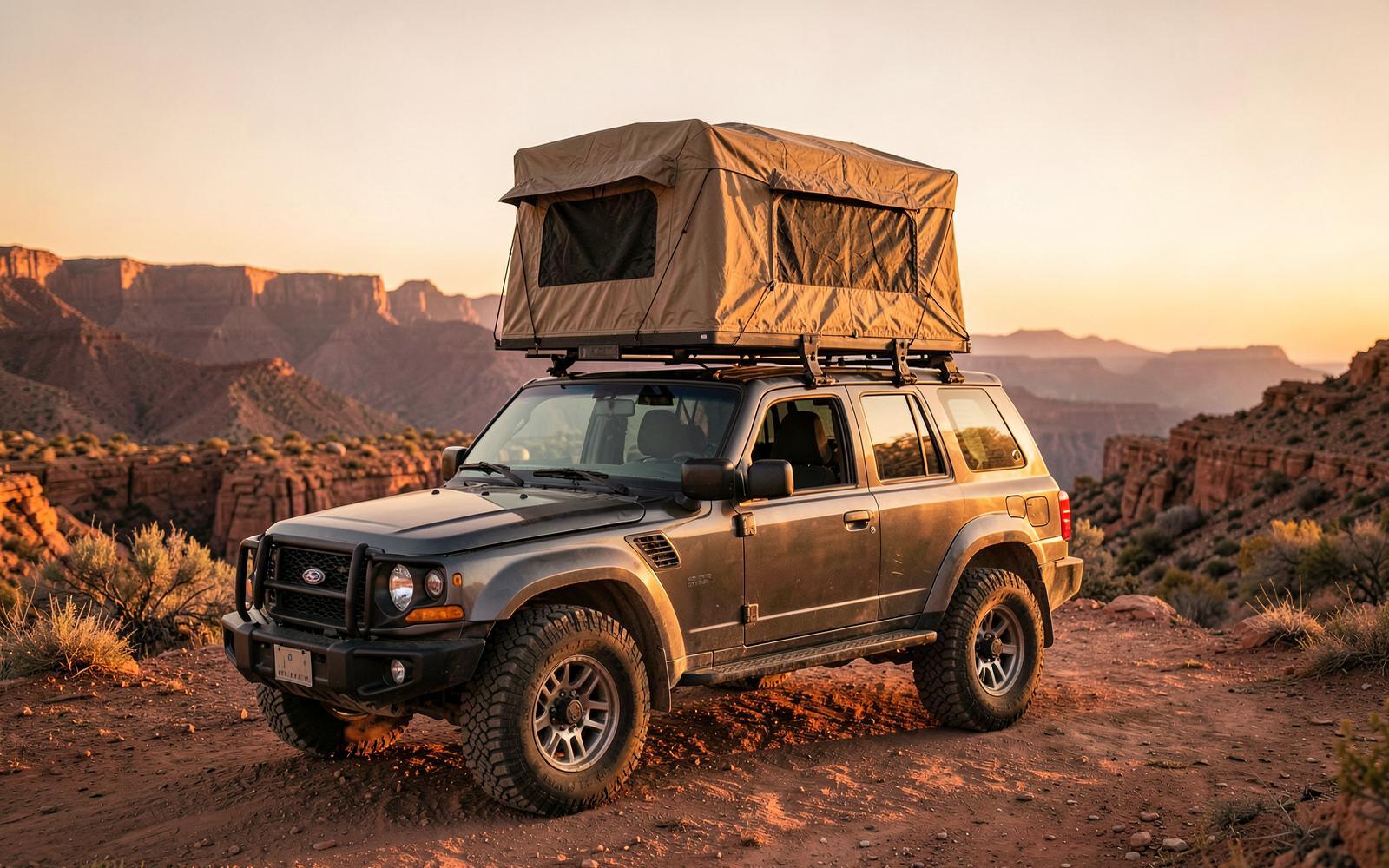
- Soft shell. More floor space per dollar, often sleeps three, frequently includes an annex. Slower to set up and pack, and packing wet fabric is a chore.
- Hybrid. Hard shell top with fabric sides that fold out — extra room without the full fabric-tent setup routine. The middle option, priced accordingly.
The number that actually matters: dynamic load
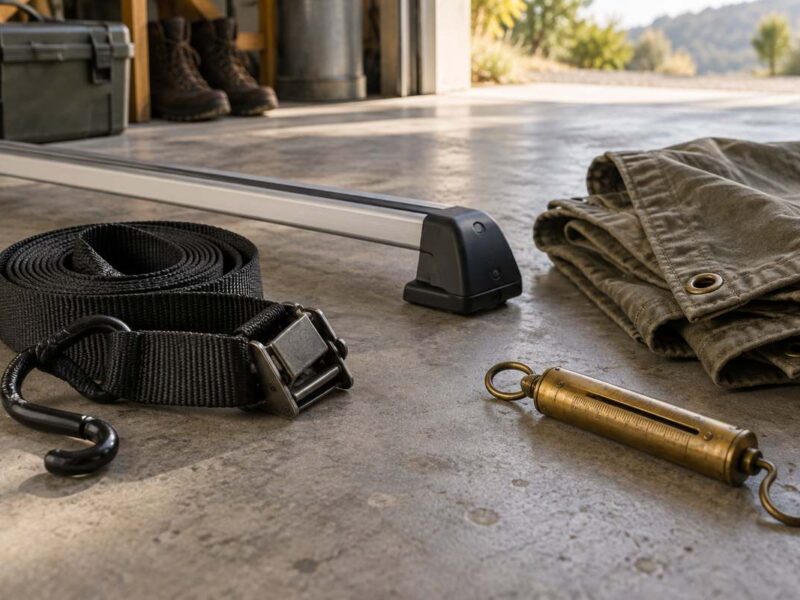
Roof racks carry two ratings. Dynamic load is what the vehicle can carry while moving, and it is typically 150 to 250 lbs on a factory rack — often less than a hard shell tent weighs. Static load, what it holds while parked, is far higher, which is why the tent and two adults do not collapse it overnight. Check the dynamic rating of your rack and your roof before you check anything else, and expect that a rooftop tent means an aftermarket rack on most vehicles.
Match it to how you actually camp
If you relocate every night, buy a hard shell; the two minutes saved at each end of the day is the whole experience. If you set up a basecamp for several days and want an annex and floor space, a soft shell gives you more tent for the money. Also be honest about height: a tall vehicle plus a tent means a ladder climb in the dark, and about garage clearance, which quietly ends a lot of rooftop tent ownership.
What else you will end up buying
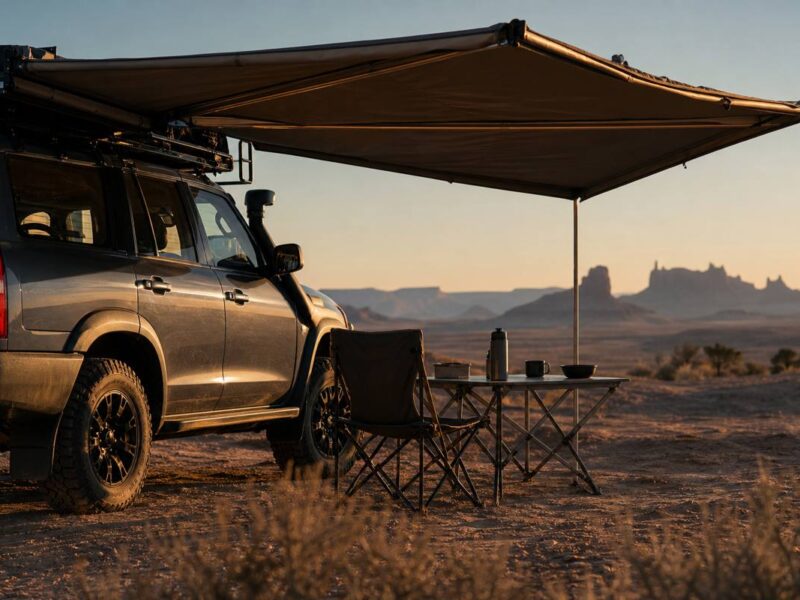
Budget for the ecosystem, not just the tent: a rated roof rack or bed rack, an awning if you want shade at camp, and usually a mattress topper because factory foam is thinner than the marketing photos suggest. Overland Junction’s site lets you filter by vehicle make, model, and year, which is the fastest way to confirm what actually bolts to your rig — and the collection frequently runs sales from a couple of hundred dollars up to over a thousand off.
Editor’s note: this article is part of our brand discovery coverage. We highlight independent brands we think are worth knowing about. Prices and availability were accurate at the time of writing.